
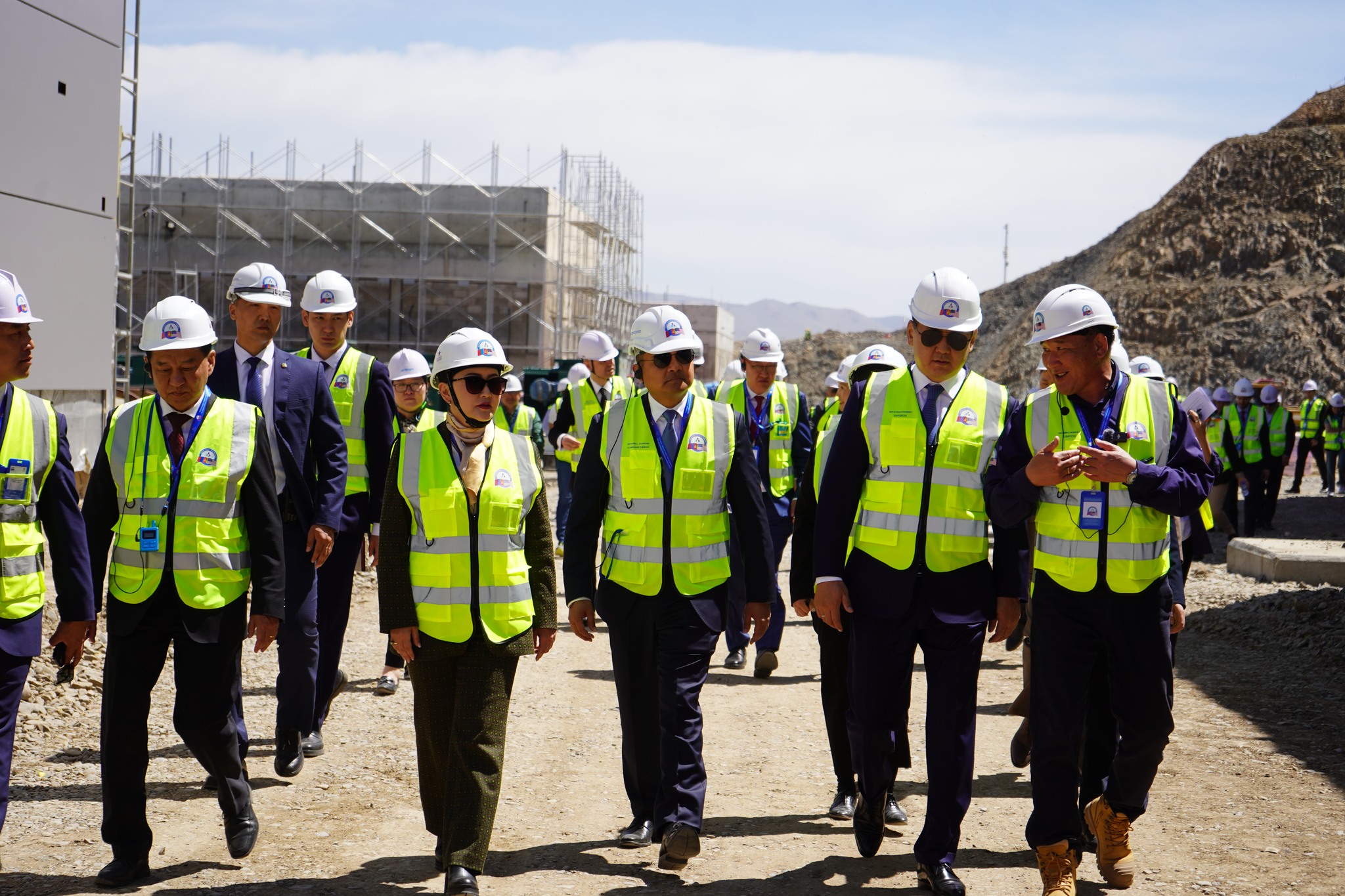
-Completion of the Advanced Water Purification Plant construction is currently standing at 56% -
Ulaanbaatar, May 16, 2024 - Today, May 16, 2024, at the invitation of U.S. Ambassador Richard Buangan, His Excellency, President Khurelsukh Ukhnaa visited the Advanced Water Purification Plant (AWPP) with a government delegation, including Member of Parliament and Minister of Finance B.Javkhlan, Minister for Foreign Affairs of Mongolia B.Battsetseg, Member of Parliament and Minister of Construction and Urban Development Ts.Davaasuren, Deputy Minister of Deputy Minister of Finance S.Mungunchimeg, Deputy Minister of Environment and Tourism M.Ganbaatar as well as Ambassador of the Republic of Turkey to Mongolia Zafer Atesh.
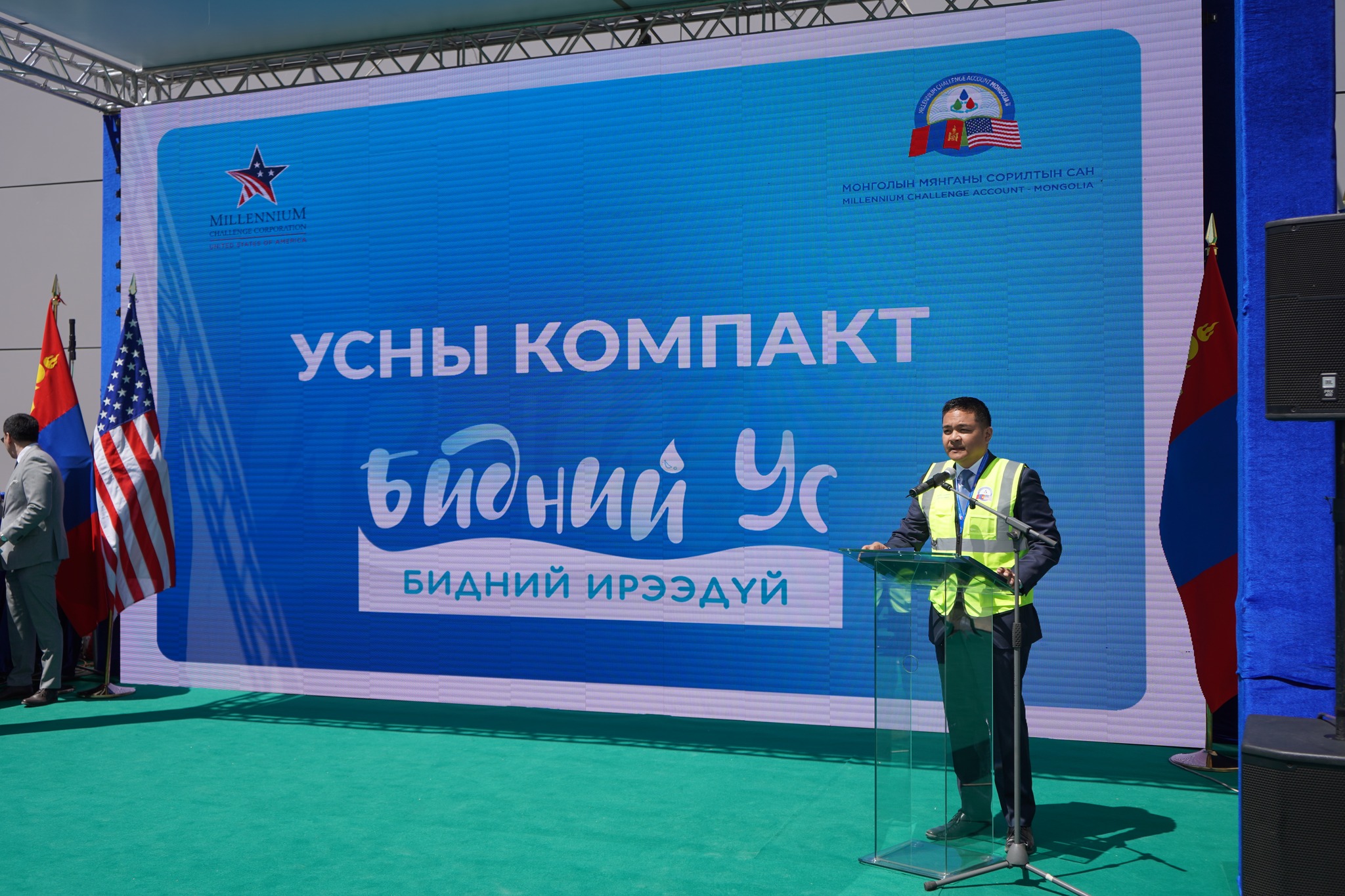
The U.S. Ambassador Richard Buangan extended his warmest gratitude to all honorable guests, specifically to the President of Mongolia U.Khurelsukh, who has been one of the strongest supporters of the Compact and has been at every significant milestone from the very beginning. Ambassador said,
“Now the U.S.-Mongolia Water Compact has proudly become the most visible embodiment of the U.S.- Mongolia Third Neighbor Strategic Partnership. The Compact is also one of the largest public works projects currently underway in the Indo-Pacific and it is a testament to the commitment of the United States to support projects and initiatives that improve the lives of citizens and integrate sustainable development and economic growth while protecting the environment. Water is critical to the future of this great city. Through this partnership, we aim to supporting the long-term water security of Ulaanbaatar. With improved long-term water security for the city’s residents and businesses, the Water Compact will leave an indelible mark on the continued economic growth and prosperity of Ulaanbaatar and Mongolia”
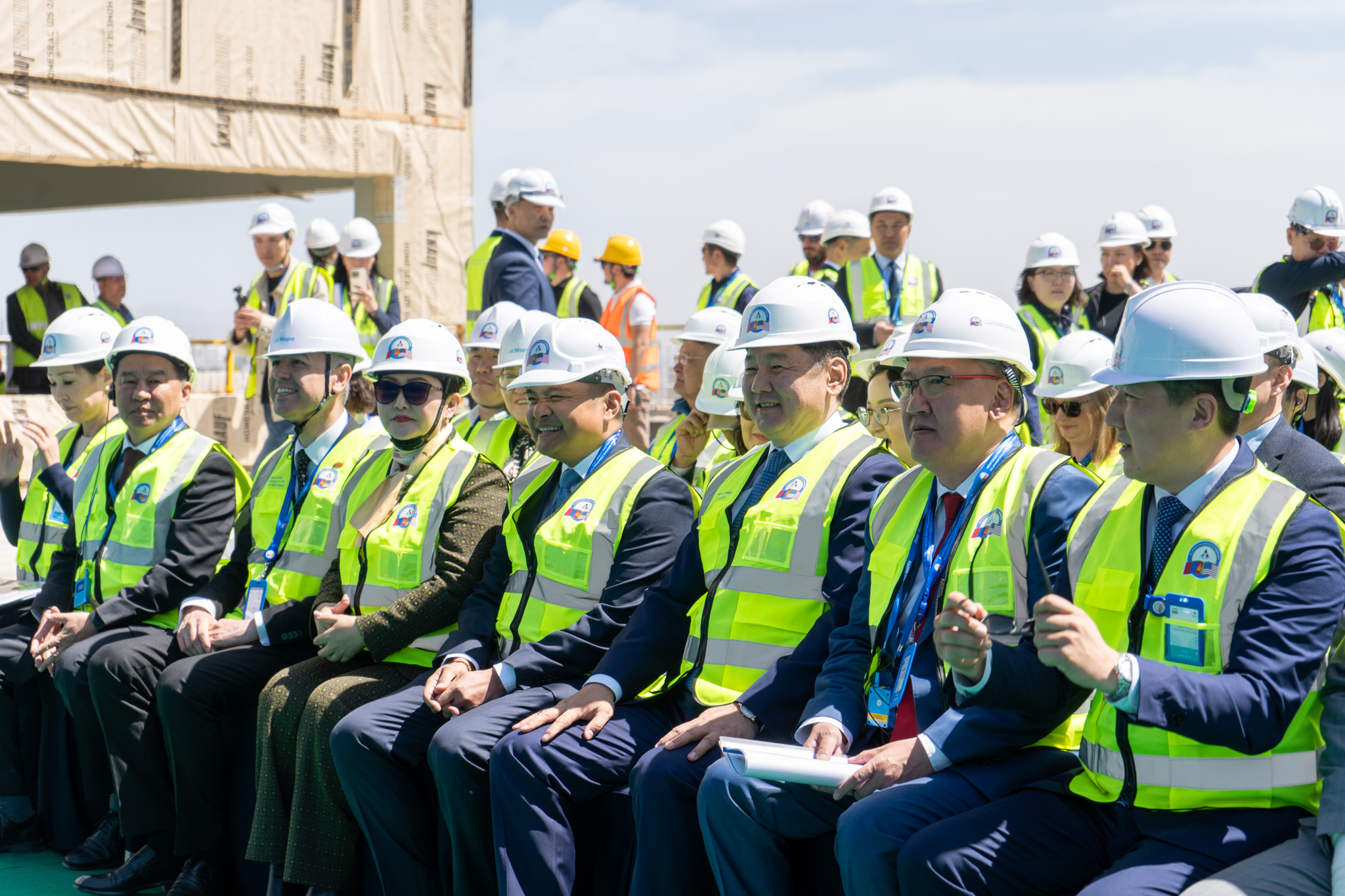
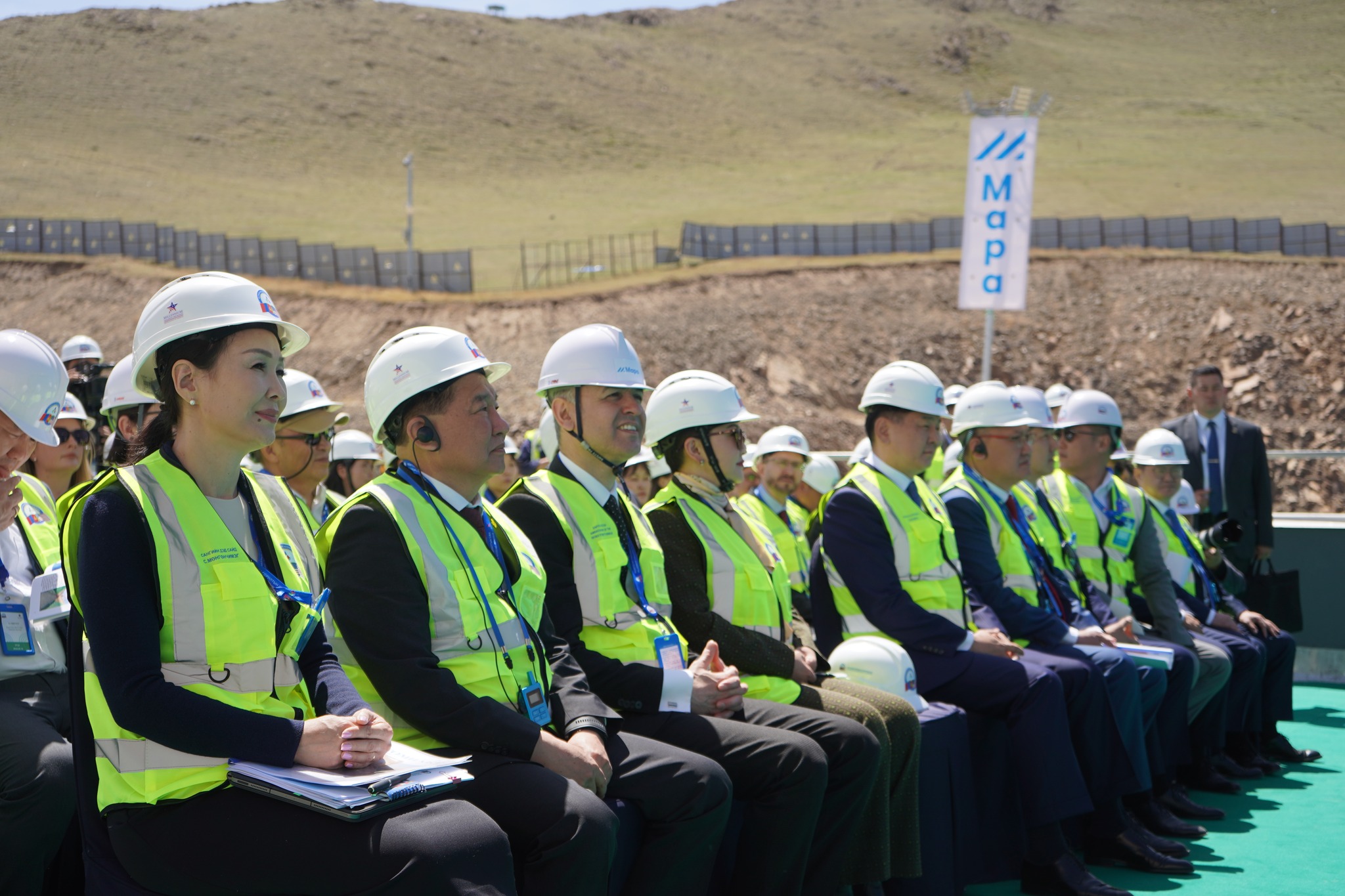
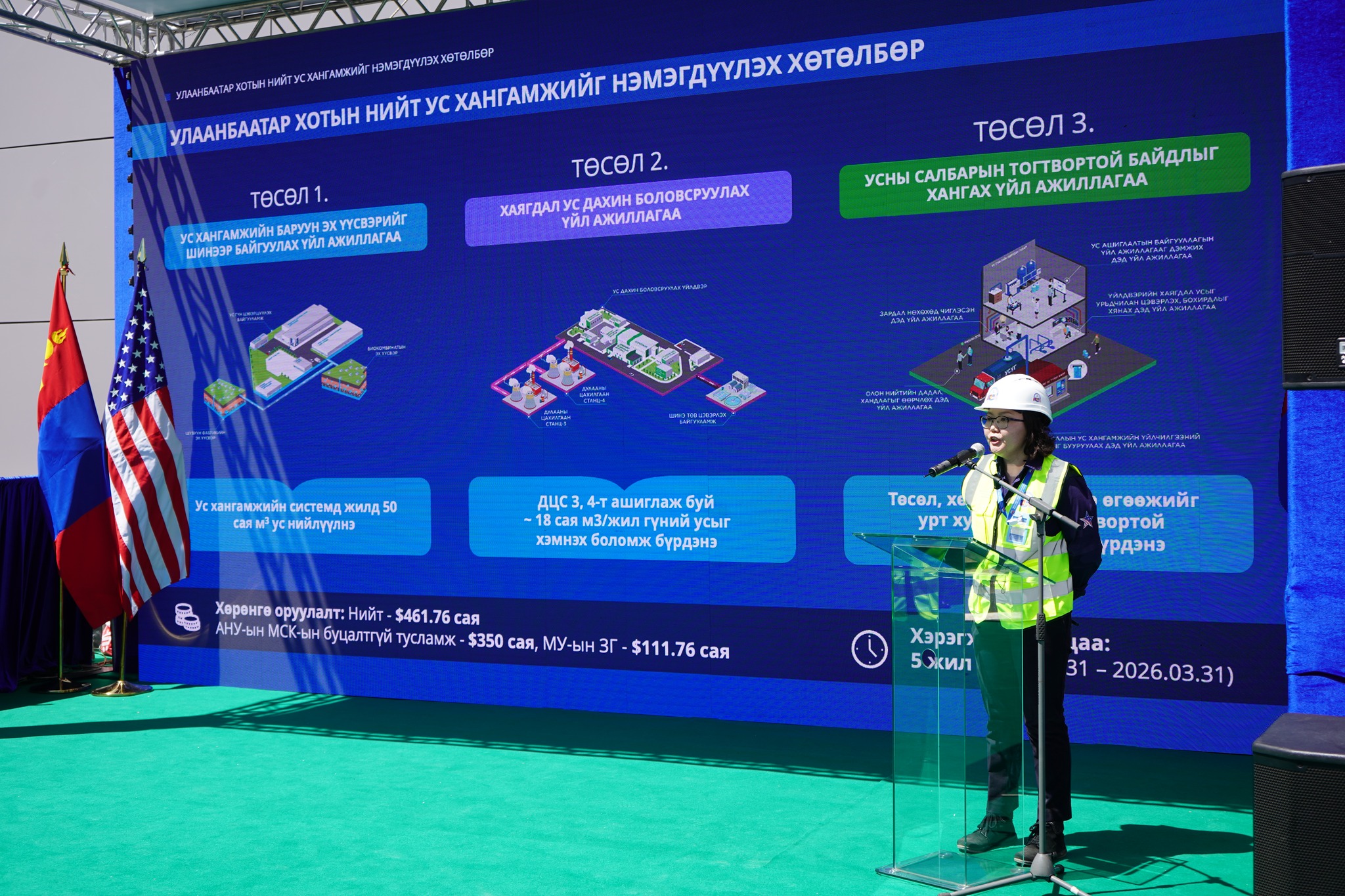
MCA-Mongolia Chief Executive Officer Ms.E.Enkhgerel briefed on the current progress of all three projects under the MCC-Mongolia Water Compact. The Compact is a partnership between the U.S. government, through the Millennium Challenge Corporation (MCC) and the Mongolian Government, designed to significantly increase the supply of clean water to the residents and businesses of Ulaanbaatar.
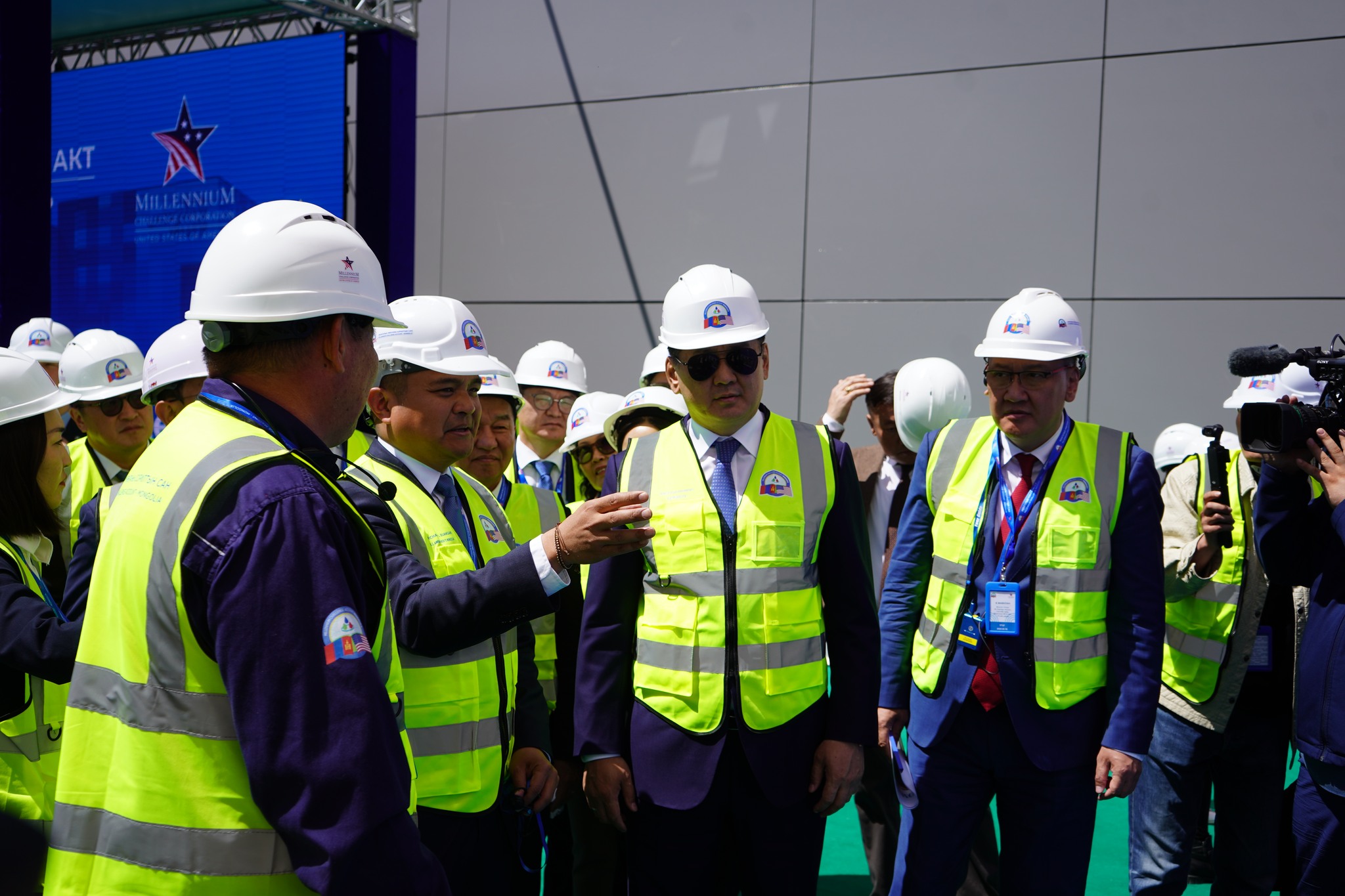
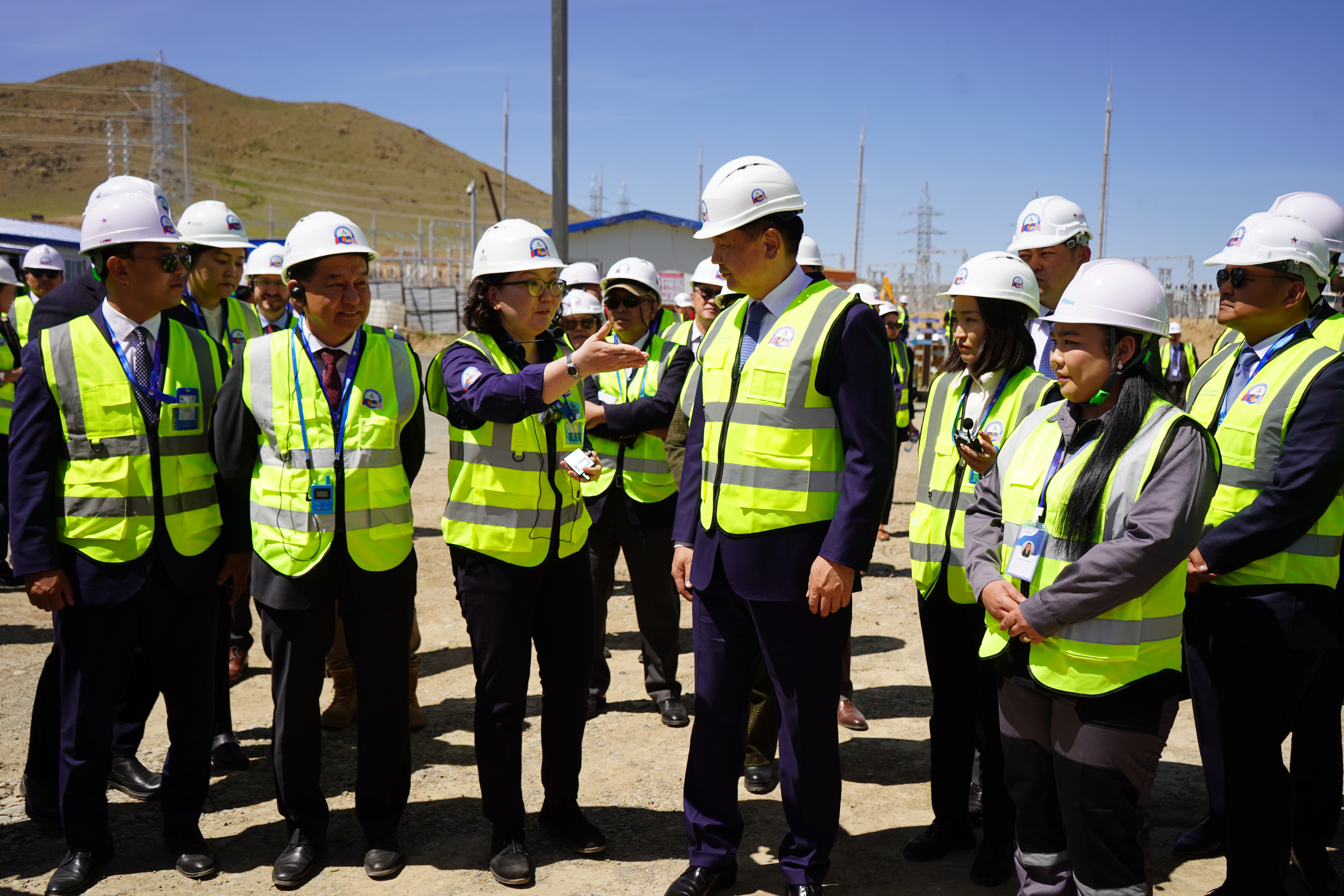
The President and accompanying officials were provided an opportunity to review construction progress of the new state-of-the art facility being developed as part of the MCC-Mongolia Water Compact. Once operational, the plant will purify water from 30 new wells constructed by the Compact from the Biokombinat and Shuvuun areas to comply with Mongolia's drinking water standards and eventually integrate into Ulaanbaatar's central water pipeline system. The purified water from the AWPP will have the capacity to provide up to an additional 50 million cubic meters annually to Ulaanbaatar’s clean water supply - an increase of over 50% from current levels.
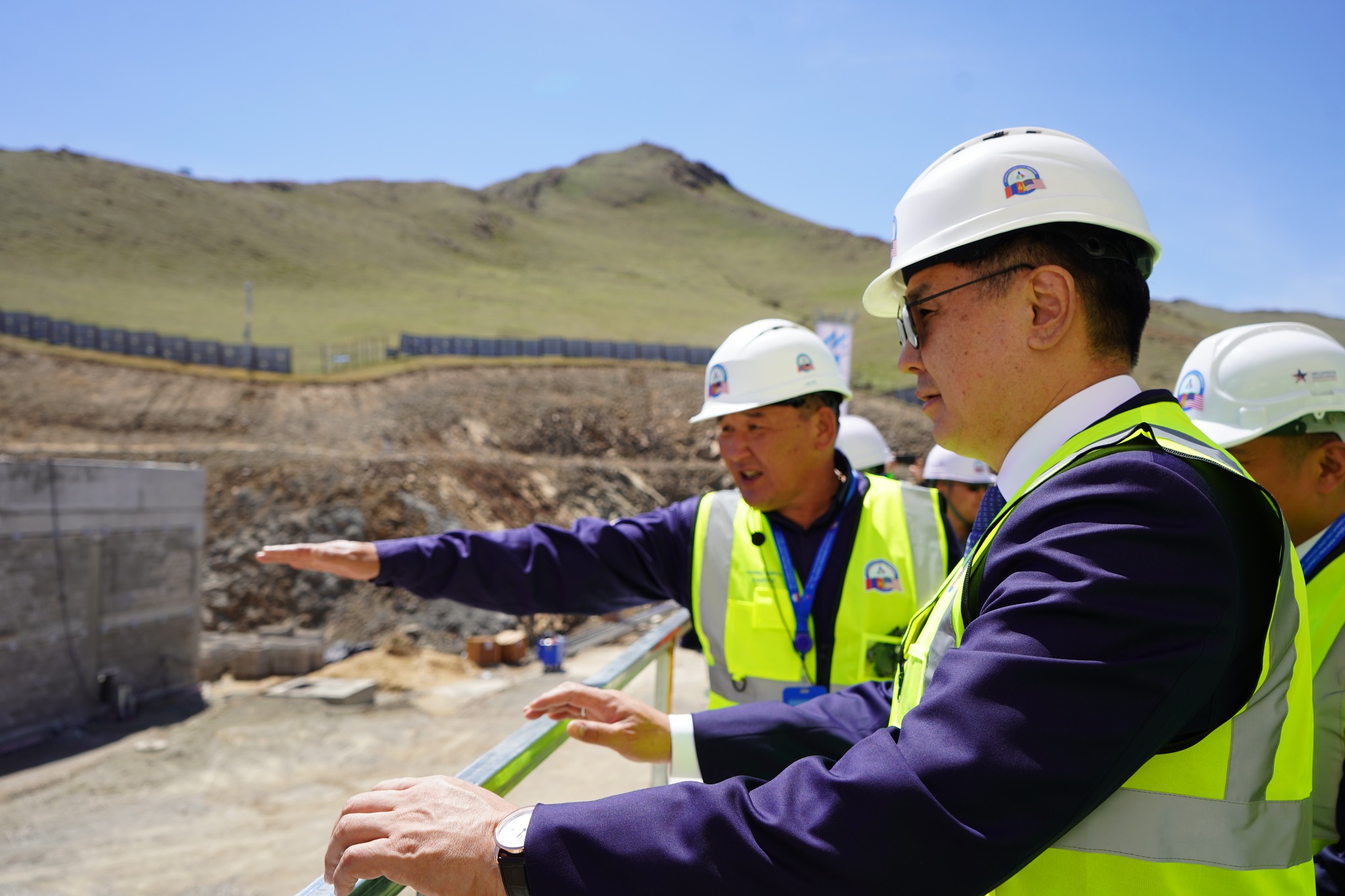
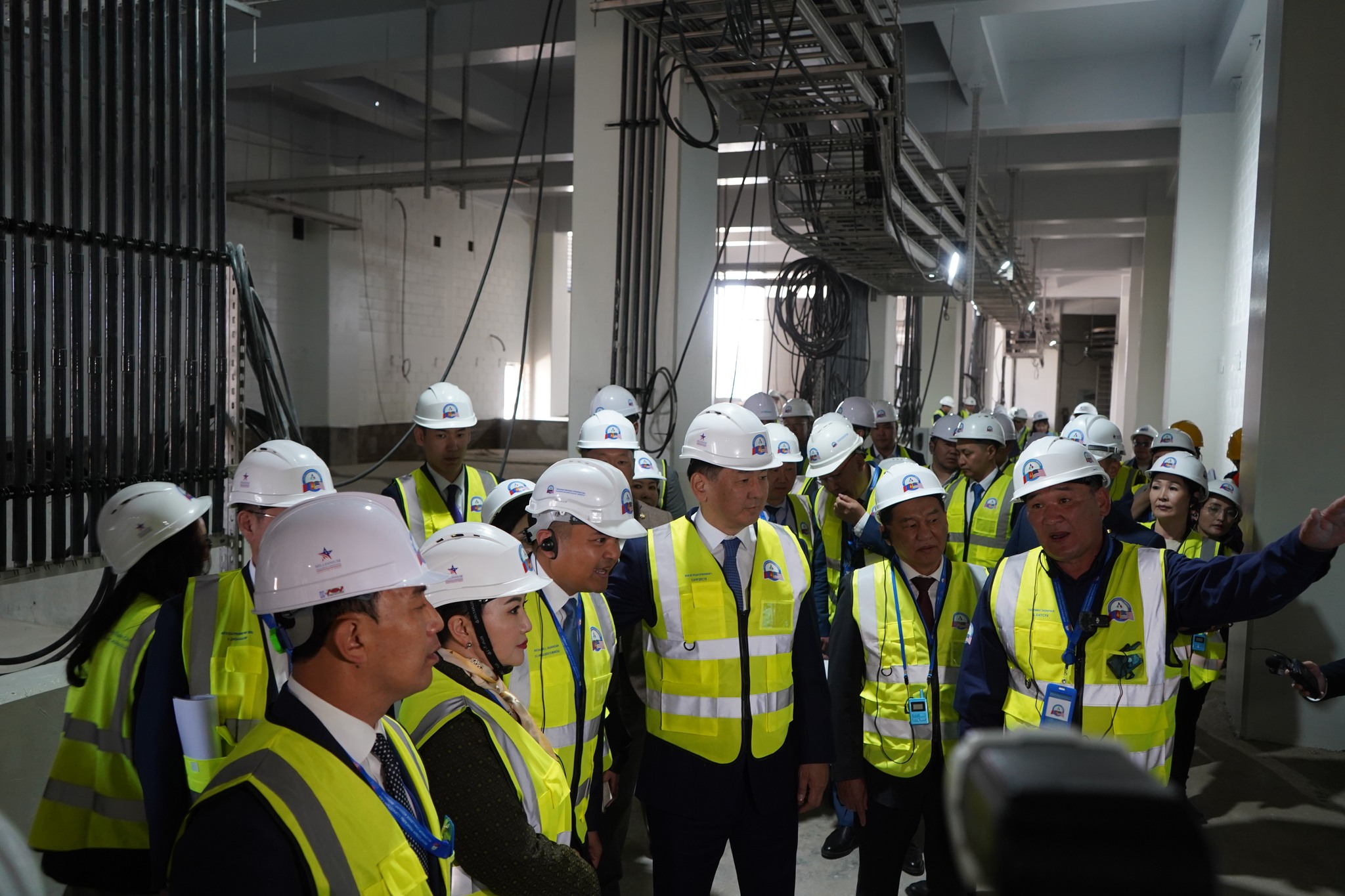
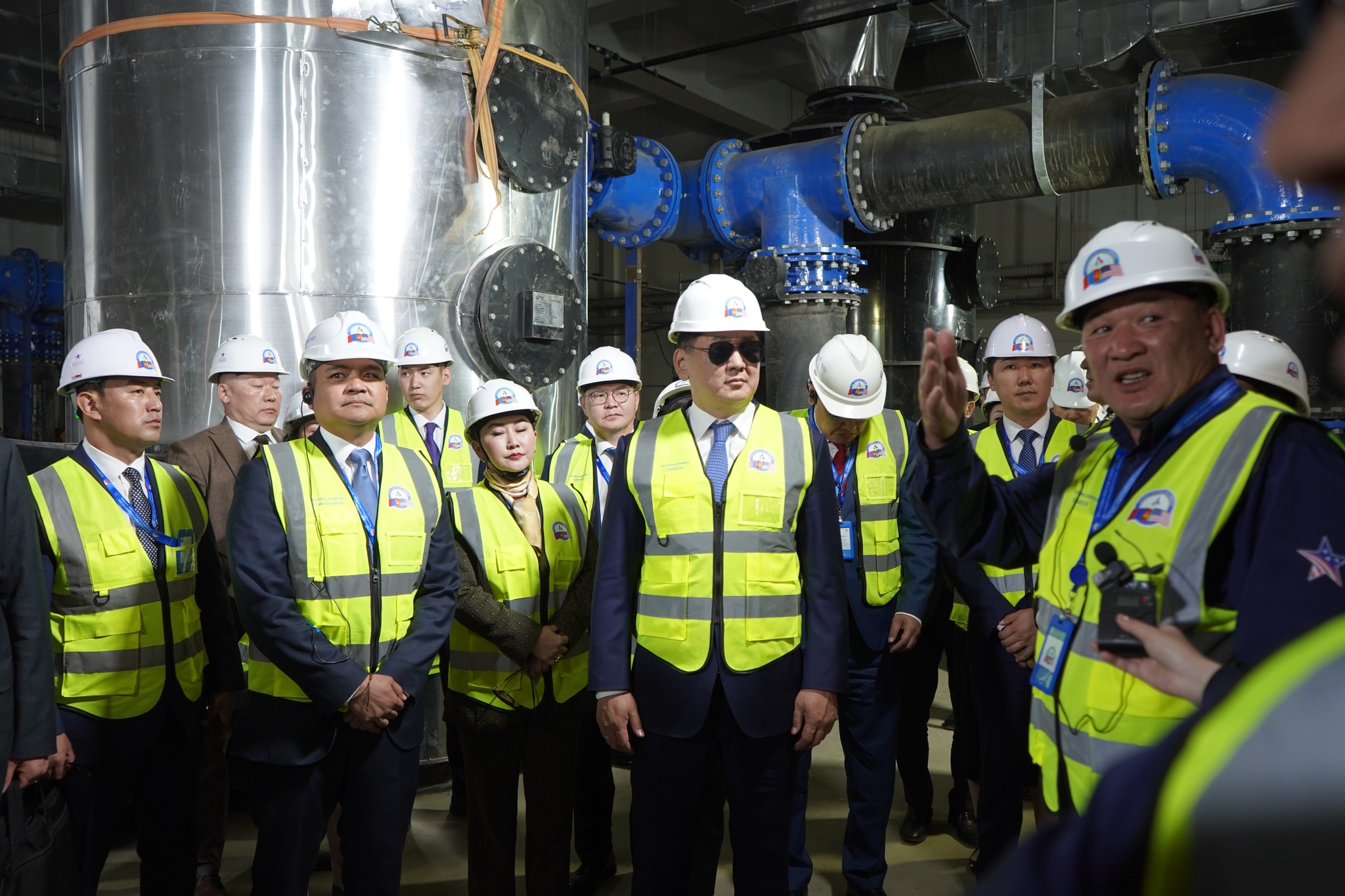
Located at the eastern foot of Songinokhairkhan Mountain, the AWPP has made significant progress since its groundbreaking in 2021 and is approximately 56% complete. The plant is expected to be completed in 2025 and become fully operational after a one-year warranty period. The plant will be operated by the Ulaanbaatar Water Supply and Sewerage Authority (USUG).
On September 20, 2018, then Prime Minister Khurelsukh Ukhnaa signed a joint declaration on the MCC Mongolia Water Compact with former Secretary of State Michael Pompeo. The partnership for the Compact is designed to address water security and long-term sustainability in the water sector of the capital city, Ulaanbaatar and is financed by a USD $350 million investment from MCC, as well as a USD $112 million contribution from the Government of Mongolia.
The compact program aims to establish a sustainable and long-term water supply for residential and commercial use and support private sector-led economic growth through three activities: the Downstream Wells Activity, the Wastewater Recycling Activity, and the Water Sector Sustainability Activity. With a target completion date of March 31, 2026, the compact hopes to increase the Ulaanbaatar clean water supply by an estimated 80% through bolstered infrastructure capacity and lasting regulatory reforms.